
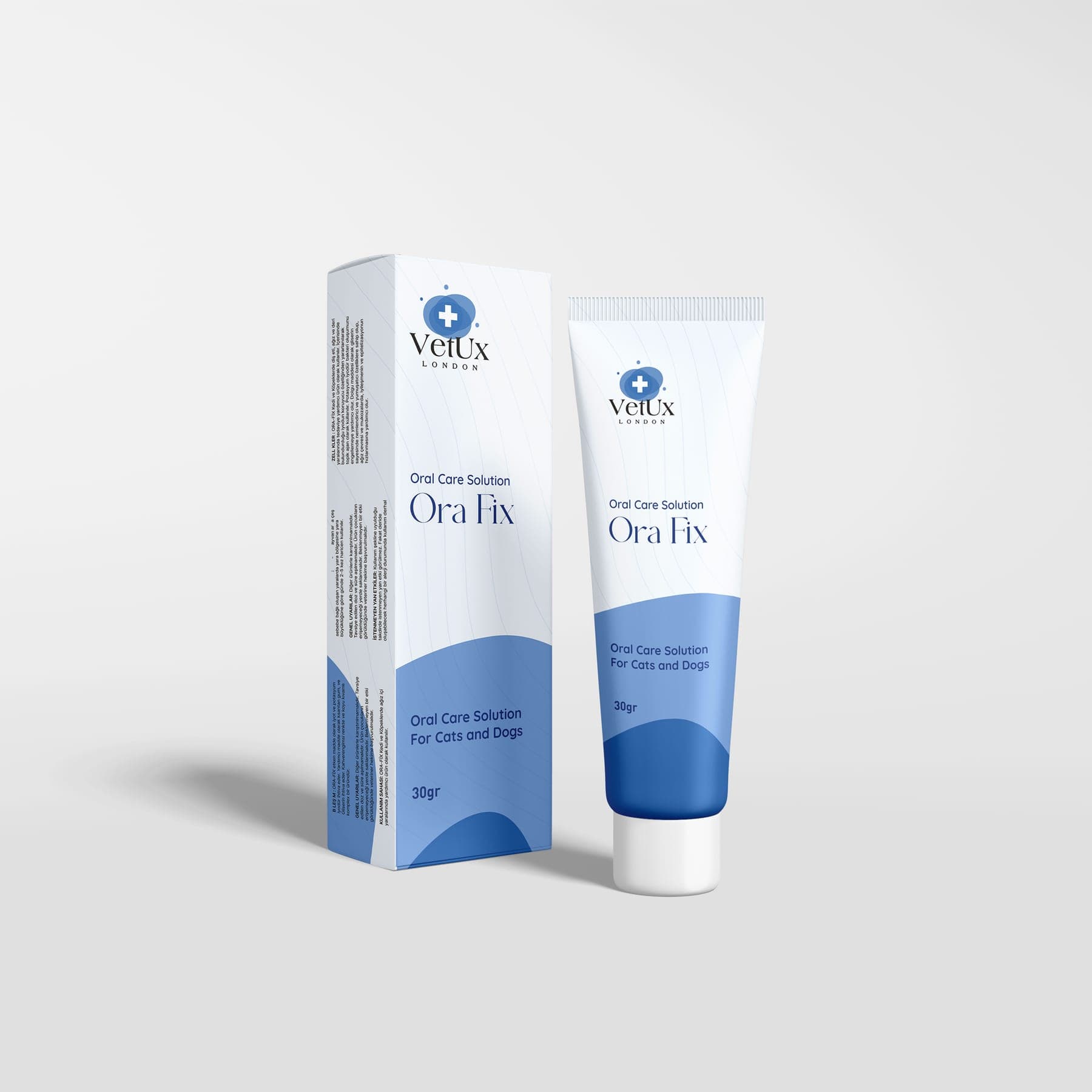
Oral care at home: a step-by-step way to build the habit
The hard part of oral care is not the brushing — it is getting there. A patient two-week programme is usually enough for the routine to settle in most dogs and cats.
Owners who keep oral care going at home have one thing in common: they have stopped treating it as a struggle. The way there is to leave the brush alone on day one.
Why acclimatisation comes first
Having a mouth handled is not naturally pleasant for a dog or a cat. Bringing out the brush on the first day records the whole experience as a negative one — and makes the years that follow harder. The programme therefore starts with touch.
The two-week programme
Days 1–3: meeting the finger
Pick a calm moment. Touch your finger to the edge of the lip, hold for two seconds, release and reward. Twice a day, thirty seconds in total.
Days 4–7: touching the gum line
Same rhythm, but now let your finger briefly meet the outer surface of the front teeth. If you meet resistance, go back a day; progress is not compulsory.
Days 8–11: gauze
With damp gauze wrapped around your finger, wipe the outer surface of the front teeth for a few seconds. This teaches the movement before introducing the texture of a brush.
Days 12–14: the brush
Use a soft brush made for pets and toothpaste made specifically for pets. Hold the brush at 45 degrees to the gum line and clean the outer surfaces only, in small circles. Keep the whole session under a minute.
Three details that keep the routine alive
- Fix the time. A routine tied to a specific moment — after the evening meal, say — lasts far longer than one done "when there is time".
- Keep it short. Sessions under a minute tire neither the owner nor the animal.
- End on a reward. How a session ends is remembered better than how it began.
This home routine does not replace veterinary check-ups or professional dental care when it is needed; it complements them. When oral health needs extra attention, nutritional support may come up alongside your vet's assessment.
Frequently asked questions
How often should I brush?
Daily is best; three times a week is still a meaningful routine. Consistency matters more than frequency.
Does the same programme work for cats?
Yes, but with shorter steps and shorter sessions. In cats the settling-in period usually takes a few weeks longer.
What if I notice an unpleasant smell?
That is not a home-care matter — it is a finding that calls for a veterinary examination. Speak to your vet before continuing the routine.
This article is for general information only; it does not replace veterinary examination, diagnosis or treatment. VetUx London products are complementary feed. If you have any concern about your companion, please consult your veterinary surgeon.
Share
The formulas matching the nutritional support described above.
Related articles
All articles Nutrition
Practical ways to raise water intake in senior cats
Cats rarely show us that they are thirsty. Raising daily water intake is one of the simplest habits that helps maintain normal kidney function — and in most homes it takes only a few small changes.
 Brand Journal
Reading the label: what to look for on the back of a supplement
The front always looks good. What actually describes a complementary feed is the back label — and there are really only four things to look for there.